Quick Answer: A biometric attendance system verifies employee identity using fingerprint, facial, or iris recognition instead of cards or PINs, making it impossible for one employee to clock in for another. 3M Star Computers, a Dubai-based IT and security solutions provider, designs and installs biometric time attendance systems that integrate with existing HR software, cutting payroll errors and giving managers accurate, real-time attendance data.
Manual attendance tracking — punch cards, sign-in sheets, PIN codes — shares one weakness: none of them can actually confirm who is clocking in. That gap costs businesses money through time theft, buddy punching, and payroll inaccuracies that compound over months and years. Biometric technology closes that gap by tying attendance to something an employee can’t hand off to a coworker: their own body.
This guide explains how biometric attendance technology works, why Dubai businesses are adopting it, what to look for in a system, and how 3M Star Computers implements it across different industries.
What Is a Biometric Attendance System?
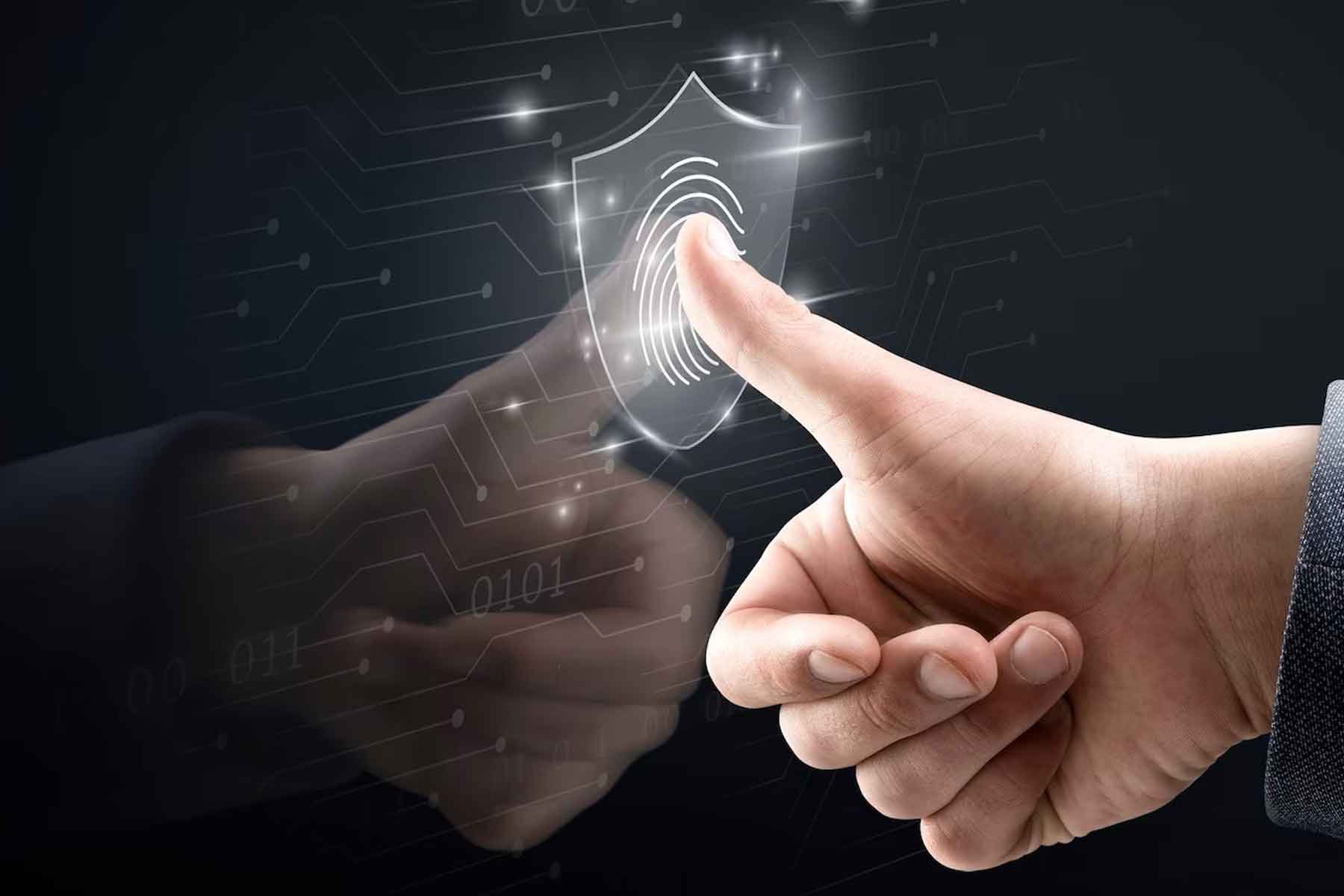
A biometric attendance system is a workforce management tool that authenticates employees using unique physical characteristics rather than a card, badge, or password. The three most common methods are:
| Method | How It Works | Best Suited For |
|---|---|---|
| Fingerprint recognition | Scans and matches ridge patterns on the finger | General offices, retail, warehouses — fast and cost-effective |
| Facial recognition | Maps facial geometry for contactless verification | High-traffic entrances, hygiene-sensitive environments |
| Iris/retina scanning | Reads unique patterns in the eye | High-security facilities, restricted-access zones |
Because biometric traits can’t be shared, borrowed, or duplicated the way a card or PIN can, these systems provide a level of attendance accuracy that manual or card-based methods cannot match.
Why Dubai Businesses Are Switching to Biometric Attendance
Employee attendance directly affects payroll costs, staffing decisions, and regulatory compliance. For Dubai businesses managing shift workers, warehouse staff, or multi-site teams, inaccurate attendance data doesn’t just create admin headaches — it costs real money in overpaid hours and understaffed shifts.
3M Star Computers’ biometric attendance systems are built to address three recurring business problems:
- Time theft — employees clocking in early, clocking out late, or rounding hours in their favor
- Buddy punching — one employee clocking in on behalf of an absent coworker
- Manual reconciliation overhead — HR teams spending hours each pay cycle cross-checking timesheets by hand
Key Benefits of Biometric Attendance Systems
1. Accurate, Automated Time Tracking
Biometric systems capture attendance data the moment it happens — no manual entry, no rounding, no reconciliation. 3M Star’s solutions integrate directly with existing HR and payroll software, so accurate data flows automatically into the systems that already run your business. This removes hours of manual timesheet work per pay cycle and reduces payroll disputes.
2. Elimination of Buddy Punching and Time Theft
Because a fingerprint, face, or iris scan can’t be handed to a coworker, only the actual employee can log their own attendance. This closes one of the most common — and most expensive — loopholes in manual or card-based attendance systems, and it removes the ambiguity that leads to disputes between staff and management.
3. Industry-Specific Deployment
A retail chain with high staff turnover, a hospital with restricted-access zones, and a school tracking both staff and visitor movement all have different requirements. 3M Star designs each deployment around the client’s actual environment — shift patterns, facility layout, and integration with existing access control or CCTV systems — rather than installing a generic, one-size-fits-all system.
4. Stronger Accountability
Every clock-in is tied to a verified individual, removing any question of who was present and when. 3M Star uses secure data handling practices to protect employee privacy while maintaining the integrity of attendance records — a combination that tends to improve punctuality simply because employees know the system is accurate.
5. Fast, Low-Friction Employee Experience
Modern biometric readers verify identity in under a second. Employees clock in and out with minimal disruption to their day, while HR teams gain the ability to generate detailed attendance reports on demand — making it easier to spot trends and plan staffing around actual demand.
Case Study: Retail Chain Reduces Time Theft After Biometric Rollout
A large retail chain was dealing with inconsistent attendance records, recurring time theft, and limited accountability among floor staff. After 3M Star implemented a fingerprint-based biometric attendance system, the results within a few months included:
- A significant drop in attendance discrepancies and unexplained absences
- Noticeably improved staff punctuality
- Lower labor costs, driven by more accurate time-tracking data
- Faster, more confident staffing decisions during peak periods, backed by real attendance trend data
Frequently Asked Questions
Q: What is the difference between biometric and card-based attendance systems?
Answer: Card-based systems verify a card, not a person — meaning one employee can use another’s card to clock in. Biometric systems verify the individual directly through a physical trait, making that kind of substitution impossible.
Q: Can biometric attendance systems integrate with existing HR software?
Answer: Yes. 3M Star’s biometric attendance systems are designed to integrate with commonly used HR and payroll platforms, feeding attendance data directly into existing workflows without requiring a separate manual process.
Q: Is fingerprint or facial recognition better for a business?
Answer: It depends on the environment. Fingerprint scanners are cost-effective and well-suited to general offices, retail, and warehouses. Facial recognition is contactless and works well at high-traffic entrances or in hygiene-sensitive settings.
Q: How long does it take to implement a biometric attendance system?
Answer: Implementation timelines vary based on the number of sites, employees, and integration requirements with existing HR software. A site assessment is the standard first step to scope an accurate timeline.
Q: Does biometric data collection raise privacy concerns?
Answer: Biometric data should be captured and stored using secure methods, with access limited to authorized systems and personnel. Businesses should confirm data handling practices with their integrator before deployment.
Conclusion
Attendance data is only useful if it’s accurate. Biometric systems remove the guesswork, manual reconciliation, and loopholes that come with punch cards and PINs, replacing them with a verified, tamper-proof record of who was actually present and when.
3M Star Computers designs biometric attendance deployments around how each business actually operates — not a generic install — giving Dubai companies a system that pays for itself through reduced time theft and administrative overhead.
Ready to modernize your attendance tracking? Contact 3M Star Computers for a consultation on biometric time and attendance solutions tailored to your business.